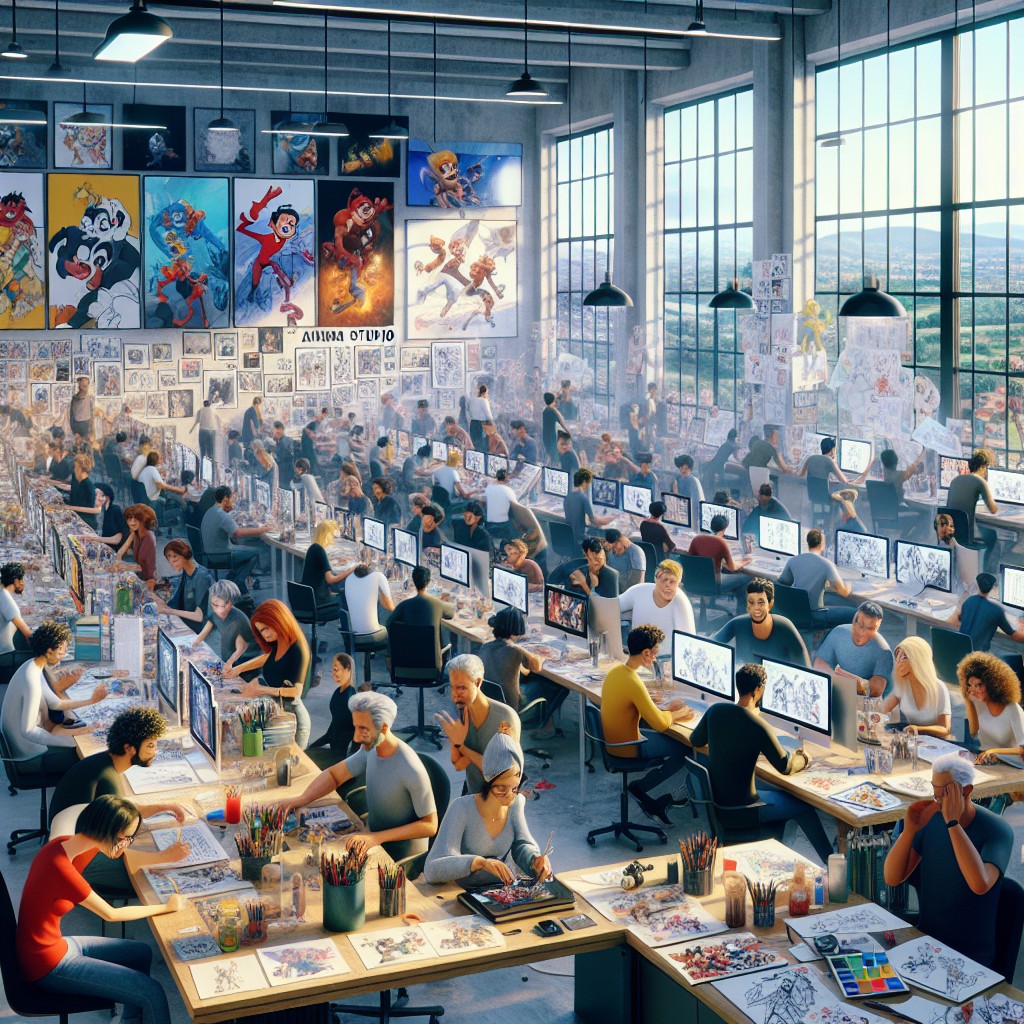
As the animation industry continues to expand on a global scale, independent studios are emerging as significant contributors to the sector’s growth. One key factor driving this progression is the evolution of the animation pipeline, which has enabled indie productions to increase both output and quality at a faster pace than ever before.
Understanding the Animation Pipeline in a Global Context
The animation pipeline refers to the sequence of stages through which an animated project passes, from concept and storyboarding to final rendering and distribution. Traditionally dominated by large studios with extensive resources, this process has historically required substantial investment in technology, skilled labor, and time. However, the globalization of these pipelines has helped distribute these tasks across different regions, leveraging specialized skills and cost advantages worldwide.
Technological Advancements Fueling Indie Studio Growth
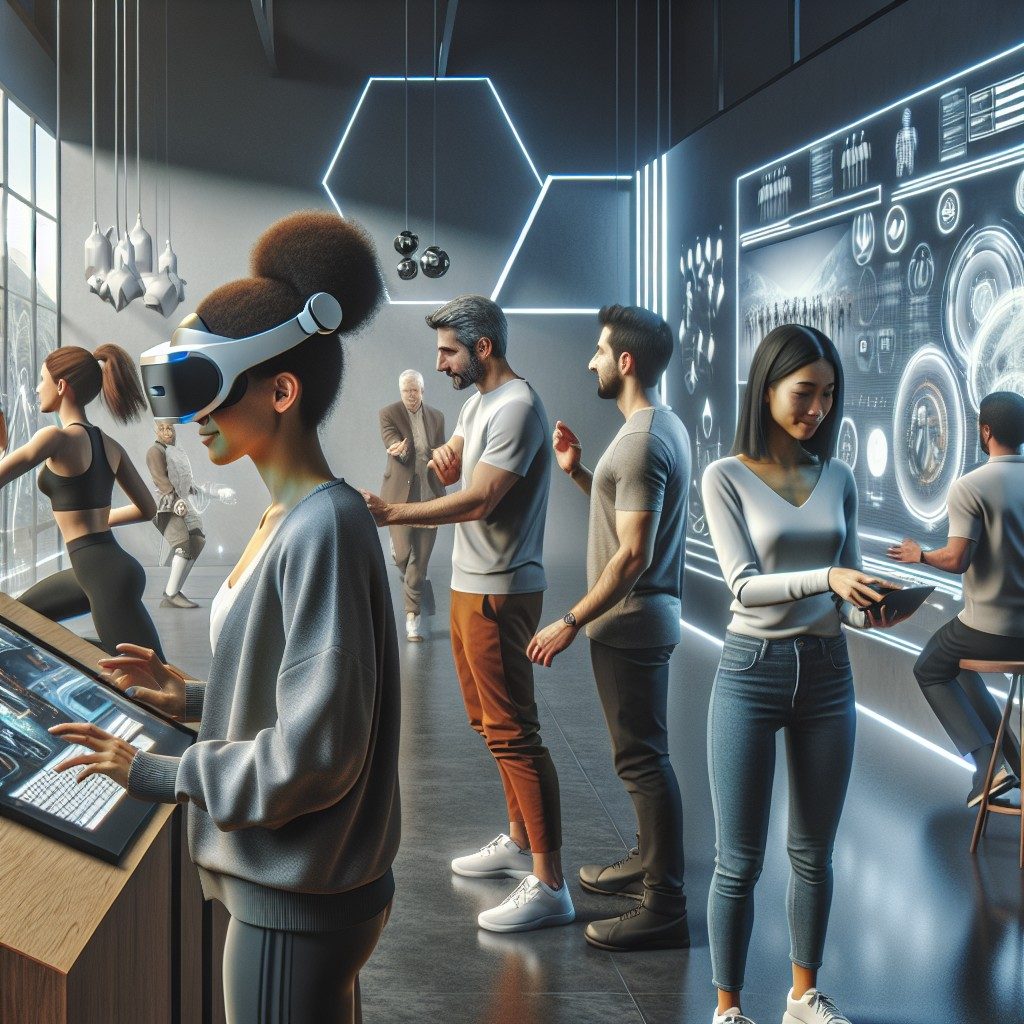
Recent advancements in software and cloud-based collaboration tools have significantly lowered barriers for indie studios managing the full animation pipeline. Access to affordable and powerful animation software allows smaller teams to produce high-quality work without the substantial capital expenditures that characterized the industry in previous decades. Furthermore, cloud platforms facilitate remote collaboration, enabling talented artists from multiple locations to work seamlessly throughout the production stages.
Outsourcing and Remote Collaboration in the Animation Pipeline
Outsourcing specific components, such as modeling, texturing, or compositing, to specialized studios or freelance artists across the globe has become a strategic approach within the animation pipeline. Indie studios frequently utilize this method to handle workload peaks and fill skill gaps efficiently. Remote collaboration tools ensure that data exchange and revision processes are streamlined, maintaining consistency and quality control despite geographical distances.
Indie Studios’ Agility Within the Animation Pipeline Framework
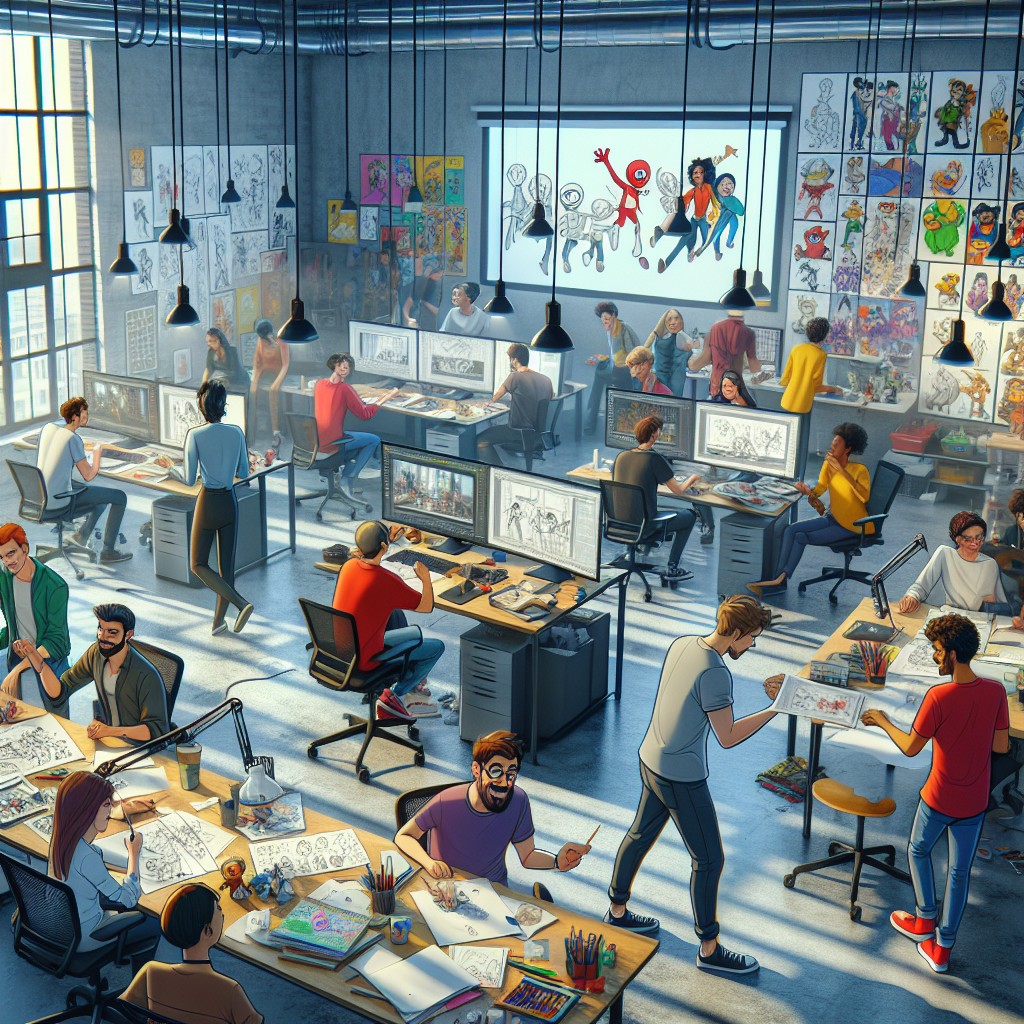
Unlike large studios bound by complex hierarchies, indie studios tend to operate with leaner teams and flexible workflows within their animation pipeline. This agility allows them to quickly adapt to changing project requirements or emerging technologies without extensive restructuring. As a result, indie productions can experiment more freely, which often translates into innovative storytelling and artistic styles that resonate with diverse audiences.
The Role of Global Platforms in Supporting Animation Pipelines
Global content platforms and distributors have increasingly embraced indie animation projects, recognizing their creative potential and market appeal. This shift is influencing the animation pipeline by encouraging indie studios to adopt standardized formats and pipeline protocols compatible with these platforms. Furthermore, initiatives by industry organizations to promote best practices and provide resources are helping indie studios optimize their pipelines for international distribution and monetization.
As global animation pipelines continue to mature, indie studios are positioned to scale rapidly by leveraging technological innovations, remote collaboration, and flexible workflows. Their growing presence challenges traditional production paradigms and contributes to a more diverse and dynamic industry landscape. Looking ahead, the evolution of the animation pipeline will likely further democratize content creation, enabling indie players to compete effectively on a worldwide stage.
Frequently Asked Questions about animation pipeline
What exactly is an animation pipeline?
The animation pipeline is the structured sequence of stages involved in creating an animated production, including concept development, modeling, rigging, animation, rendering, and post-production. It forms the framework that guides projects from initial ideas to final output.
How does the animation pipeline benefit indie studios?
By adopting an efficient animation pipeline, indie studios can streamline production processes, collaborate remotely, and manage resources effectively. This enables them to scale their projects faster while maintaining high-quality standards.
Are global animation pipelines different from those used by individual studios?
Global animation pipelines often involve distributed workflows where various stages are handled in multiple locations. Individual studios may use localized pipelines, but global pipelines emphasize coordination across borders, leveraging diverse talent and cost advantages.
What technological tools support modern animation pipelines?
Modern animation pipelines benefit from advanced software such as Autodesk Maya, Blender, and Adobe Creative Cloud, as well as cloud-based collaboration platforms that facilitate remote teamwork and data sharing throughout the pipeline.
Where can I learn more about animation pipeline industry standards?
Industry organizations such as the Society of Animation Studies and professional guilds provide resources and guidelines on animation pipeline best practices widely adopted across the global industry.